A Guide to PA6-GF Glass Fibre Nylon for Automotive Parts
PA6-GF combines nylon with glass fibres to provide high stiffness, exceptional impact resistance, and a heat deflection temperature of up to 180°C, making it an excellent metal-replacement material.
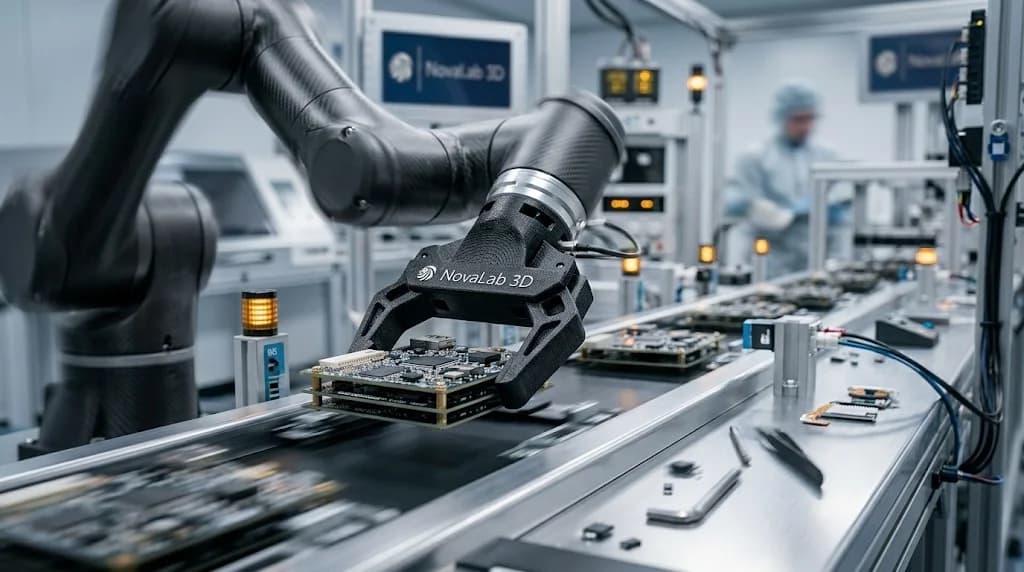
Industrial-Grade Additive Manufacturing in Action
The automotive sector requires materials that can survive high temperatures, constant vibration, chemical exposure, and high impact loads. In the past, FDM 3D prints were restricted to visual mockups in these environments. Today, with PA6-GF (Glass Fibre Reinforced Polyamide 6), we can print functional under-the-bonnet automotive components.
PA6-GF is a composite material consisting of high-performance Nylon 6 reinforced with structural glass fibres (typically 20% to 30% by weight).
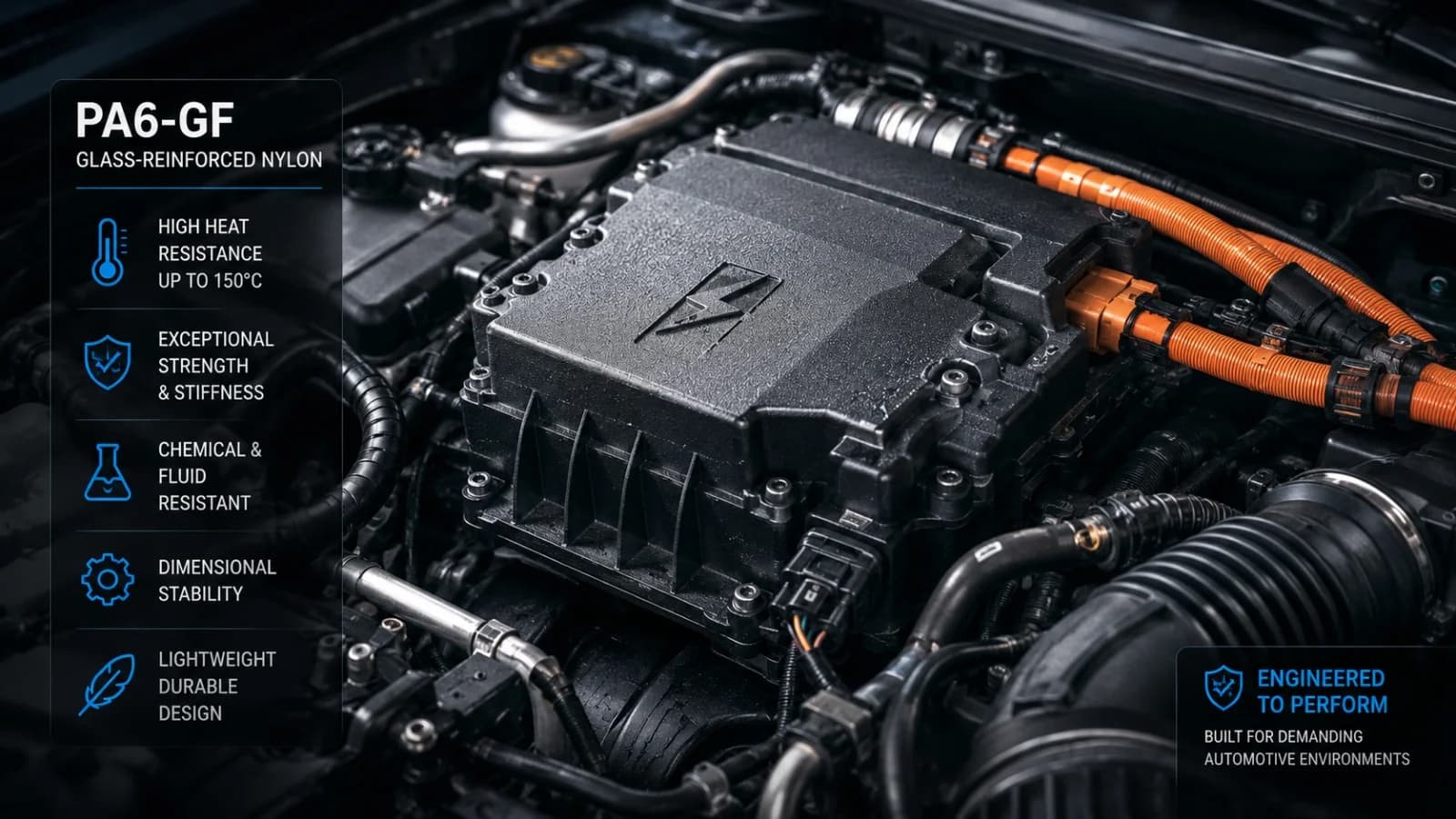
PA6-GF Glass Fibre Nylon is an ideal metal-replacement material for engine bay brackets, cooling ducts, and intake manifolds due to its high impact resistance and 150°C heat deflection.
Key Automotive Properties of PA6-GF
- Exceptional Heat Deflection: PA6-GF has a heat deflection temperature (HDT) of 150°C to 160°C, allowing it to withstand the thermal environment of an internal combustion engine bay or electric vehicle drive unit.
- High Impact Toughness: While carbon fibre nylon is extremely rigid, it can be brittle and snap under sudden shock. Glass fibre nylon is tougher and will deform slightly rather than fracturing under high-impact road vibrations.
- Chemical Resistance: Highly resistant to motor oils, fuels, grease, and brake fluids, ensuring long-term durability in automotive environments.
- Dimensional Stability: Nylon is notorious for shrinking and warping. The addition of glass fibres restricts shrinkage, ensuring high accuracy on large mounting housings.
Designing with Glass Fibre Nylon
When developing automotive brackets or intake manifolds, keep these rules in mind:
- Moisture Absorption: Nylon is hydrophilic (it absorbs moisture from the air). While the glass fibres reduce this effect, parts will absorb moisture over time, which slightly softens the polymer and increases its ductility. Account for this in high-precision press-fits.
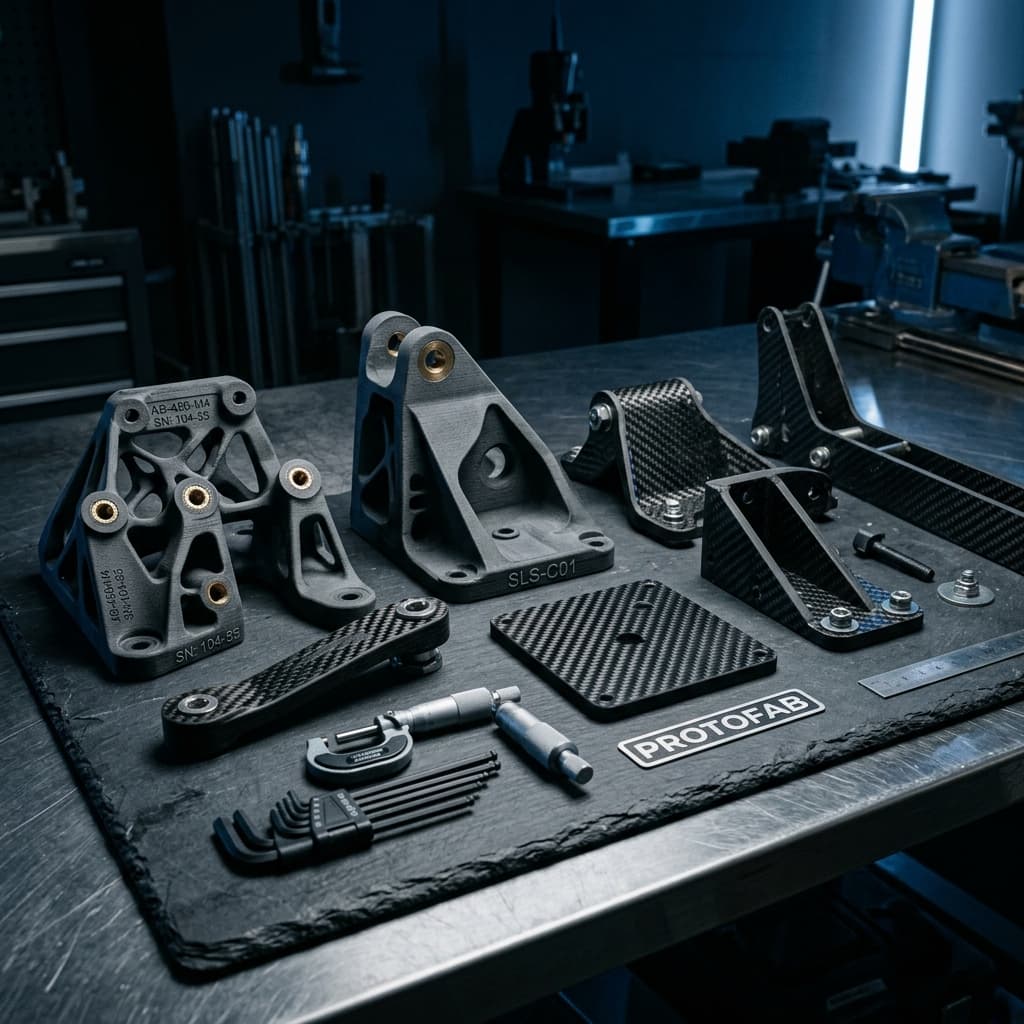
- Threaded Brass Inserts: Never screw bolts directly into PA6-GF for automotive mounts. The heat and vibration will cause the threads to slip. Always design holes to accept heat-set brass threaded inserts.
- Avoid Thin Ribs: Keep walls at least 2mm thick to allow the glass fibres to flow smoothly through the nozzle, preventing voids and weak points in the component walls.
B2B Automotive Prototyping
NovaLab 3D supplies automotive design agencies, motorsports teams, and specialist restorers across Yorkshire with high-durability composite prints. Request a quote or CAD review today.
Frequently Asked Questions
Keagan Walker
Founder & Lead Designer
NovaLab 3D is a boutique engineering and additive manufacturing studio based in Pickering, North Yorkshire. We provide B2B clients and product developers with direct access to lead engineering consulting, fast 48-hour turnarounds, and custom FDM production runs.