Replacing Legacy Machinery Components with 3D Scanning and CAD
Reverse engineering legacy equipment using 3D scanning and additive manufacturing eliminates long machinery downtime and high custom machining bills for discontinued components.
Combating Obsolescence in Yorkshire
In the agricultural and industrial workshops of Ryedale and North Yorkshire, machinery downtime is expensive. When a legacy tractor, packaging line, or vintage manufacturing machine breaks down, the cost of replacement parts is only part of the problem, as often the manufacturer has gone out of business, and the part is completely obsolete.
At NovaLab 3D, we regularly help local businesses resolve these crises by reverse engineering broken parts and fabricating high-performance replacements using modern additive manufacturing.
Reverse engineering obsolete components allows you to replicate broken parts in modern engineering polymers, often improving their durability and reducing replacement costs.
The Reverse Engineering Process
When a client brings a broken or worn-out part to our Pickering facility, we follow a systematic replication process:
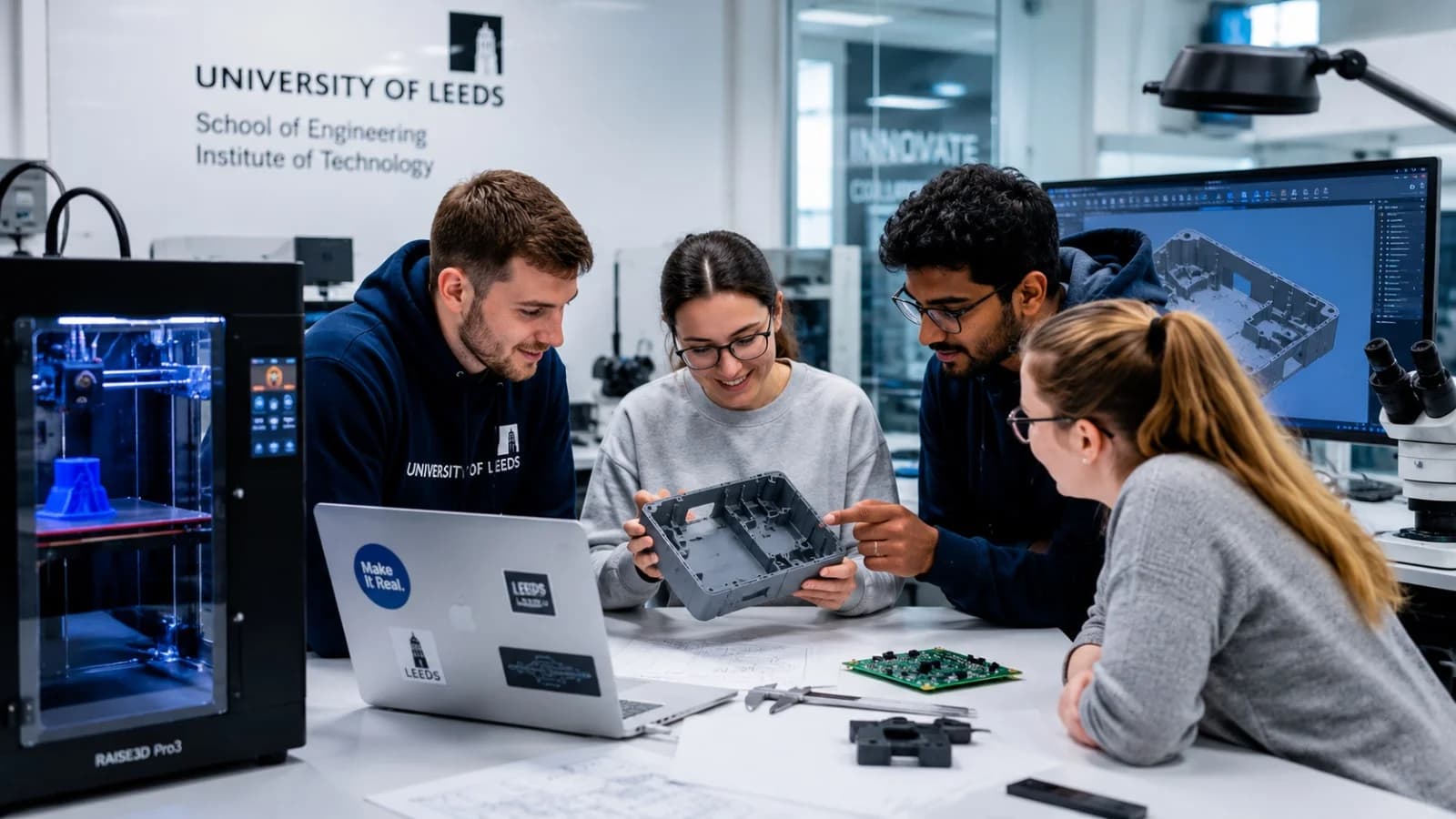
- Precision Measurement: We clean the broken parts and take detailed physical measurements using callipers, micrometres, and 3D reference scanning.
- Parametric CAD Modelling: We reconstruct the geometry in CAD software. Rather than just copying the broken part, we identify the point of failure (e.g. fatigue cracks or worn gear teeth) and redesign the component to strengthen those areas.
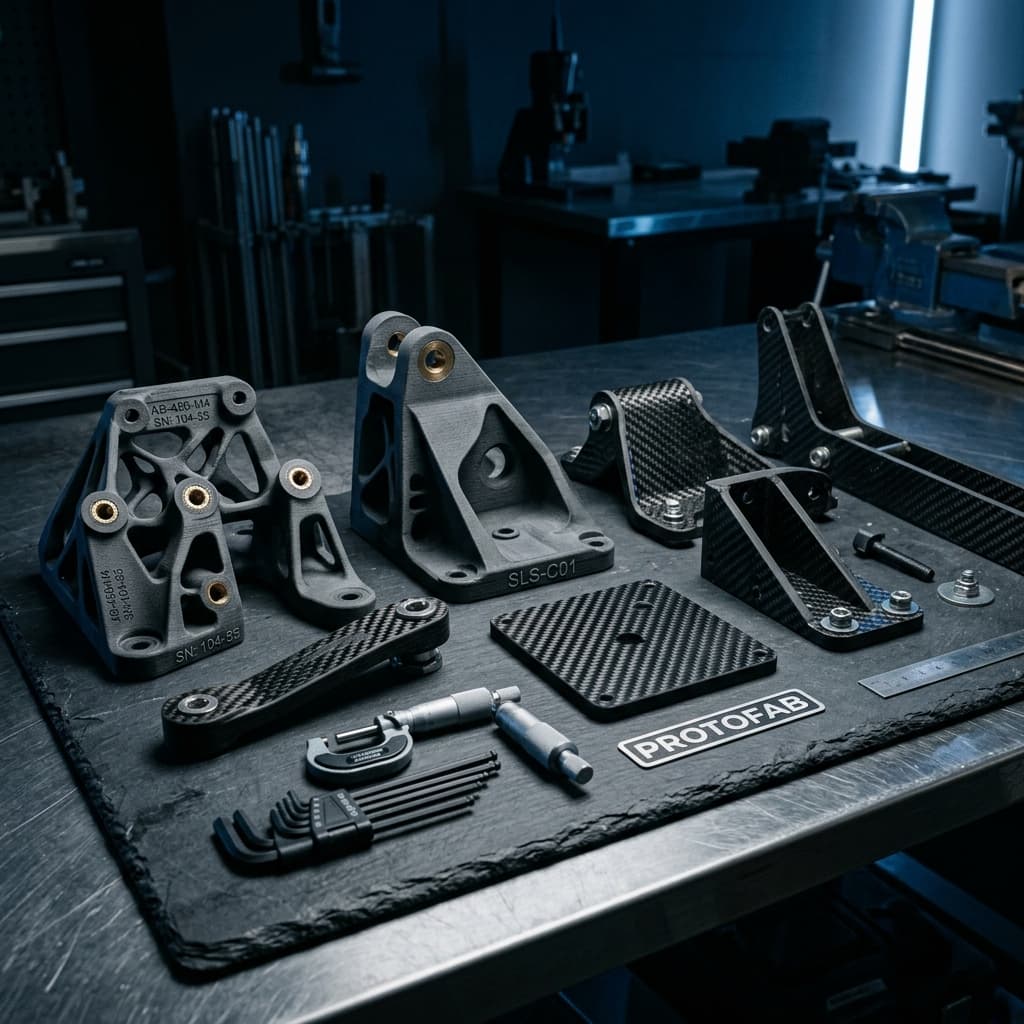
- Material Optimisation: We replace weak cast plastics with modern industrial polymers. Obsolete nylon gears are printed in PA6-GF (Glass-reinforced Nylon) for superior wear resistance, while brackets are printed in carbon fibre composites.
- Fit Testing & Fabrication: We print a fast, low-cost PLA draft to verify fitment on the machine, and once approved, we print the final part in the specified engineering polymer.
Case Study: Agricultural Harvester Drive Gear
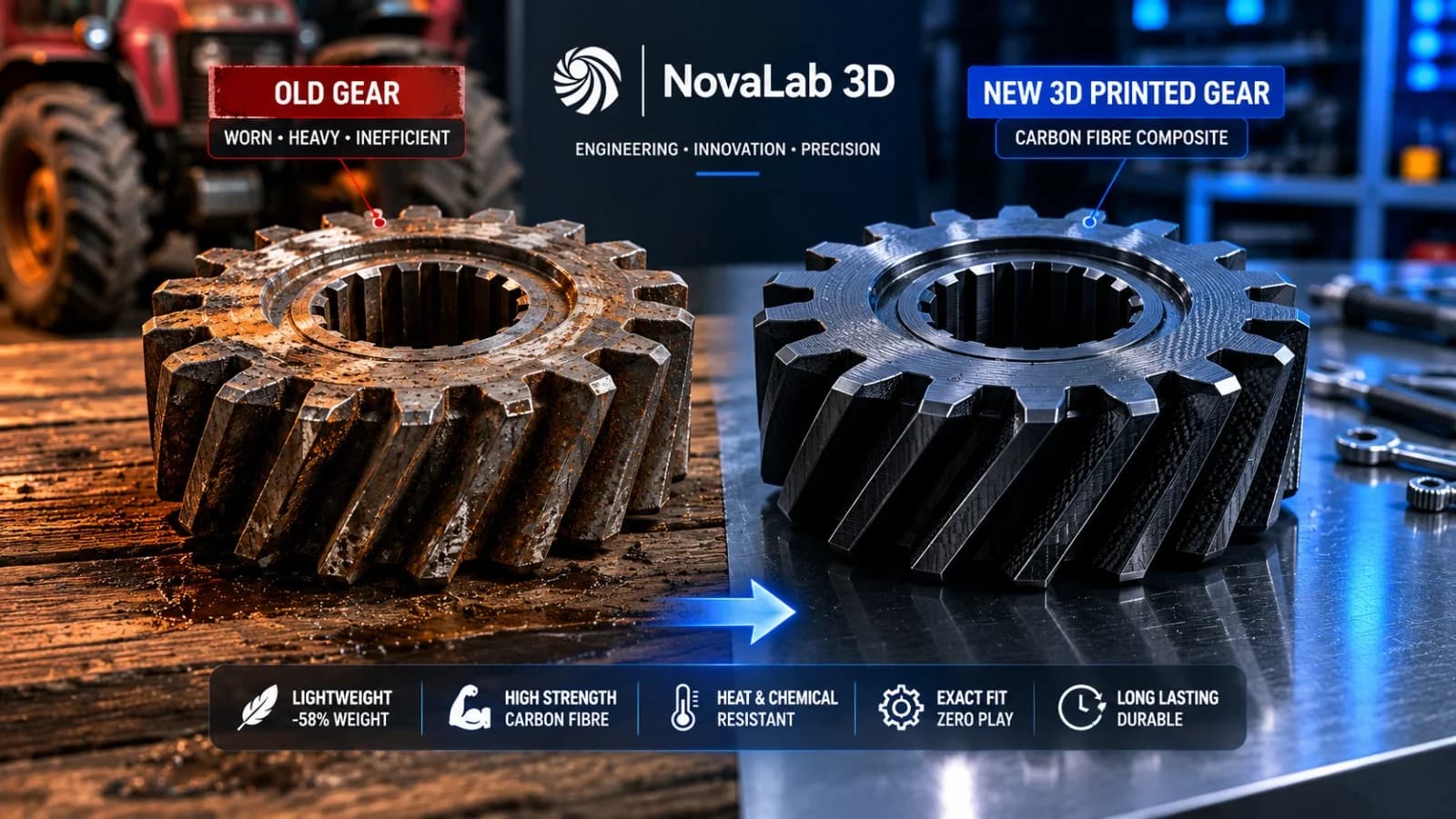
A local Pickering farming business faced a two-week delay during harvest season because a plastic chain-guide gear on an older harvester stripped its teeth. The original manufacturer no longer stocked the part.
We received the broken gear, modelled it in CAD, and optimized the hub to accept a brass collar to handle the drive shaft torque. We printed the replacement gear in PA6-GF Glass Fibre Nylon. The part was delivered and installed on the harvester within 24 hours, saving thousands of pounds in delayed harvesting costs.
Keep Your Machines Running
Do you have a machine sitting idle due to a broken, obsolete plastic component? Don't scrap the machine. Bring the part to NovaLab 3D in Pickering or send us photos for a reverse-engineering consultation.
Frequently Asked Questions
Keagan Walker
Founder & Lead Designer
NovaLab 3D is a boutique engineering and additive manufacturing studio based in Pickering, North Yorkshire. We provide B2B clients and product developers with direct access to lead engineering consulting, fast 48-hour turnarounds, and custom FDM production runs.